


Exploring the Rich Culture and Beauty of Japan Beyond Cherry Blossoms
- May 24
- 3 min read
Japan often brings to mind images of delicate cherry blossoms, but this island nation offers far more than just its famous springtime spectacle. From ancient traditions and unique festivals to breathtaking landscapes and innovative cuisine, Japan presents a diverse cultural experience that captivates travelers and culture enthusiasts alike. This post explores some of the lesser-known yet equally fascinating aspects of Japan’s culture and natural beauty.
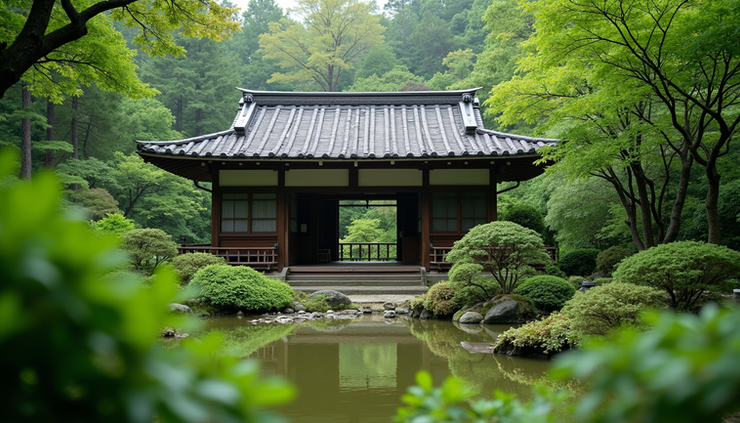
Traditional Arts and Crafts
Japan’s cultural heritage shines through its traditional arts and crafts, which have been preserved and passed down for centuries. One of the most iconic is ikebana, the art of flower arranging. Unlike simple bouquets, ikebana emphasizes harmony, balance, and minimalism, often using seasonal flowers and branches to create elegant compositions.
Another craft worth exploring is kintsugi, the art of repairing broken pottery with gold or silver lacquer. This technique not only restores the item but also highlights its history and imperfections, symbolizing resilience and beauty in flaws.
Visitors can also experience washi paper making, a centuries-old craft that produces strong, handmade paper used in calligraphy, lanterns, and even clothing. Workshops in regions like Echizen and Mino offer hands-on experiences for those interested in traditional Japanese craftsmanship.
Festivals That Celebrate Life and Nature
Japan hosts a wide variety of festivals throughout the year, each reflecting local customs and seasonal changes. While cherry blossom festivals are famous, other celebrations offer unique insights into Japanese culture.
For example, the Gion Matsuri in Kyoto is one of Japan’s most famous festivals, held every July. It features elaborate floats, traditional music, and processions that date back over a thousand years. The festival showcases the city’s rich history and community spirit.
In northern Japan, the Nebuta Matsuri in Aomori features giant illuminated floats shaped like warriors and mythical creatures. These floats are paraded through the streets accompanied by energetic dancers and musicians, creating a vibrant and immersive atmosphere.
Exploring Japan’s Diverse Landscapes
Beyond the urban centers and cherry blossom spots, Japan’s landscapes offer stunning variety. The country’s mountainous terrain includes the iconic Mount Fuji, but also lesser-known natural wonders.
The Japanese Alps provide excellent hiking opportunities with scenic trails, alpine flowers, and hot springs. In winter, these mountains become a playground for skiers and snowboarders.
The southern islands of Okinawa contrast sharply with mainland Japan. Known for their subtropical climate, pristine beaches, and coral reefs, Okinawa offers a relaxed pace and unique Ryukyu culture, distinct from the rest of Japan.

Culinary Traditions Beyond Sushi
Japanese cuisine is often synonymous with sushi, but the country’s food culture is much broader and regionally diverse. Each area boasts its own specialties, reflecting local ingredients and history.
In Osaka, known as Japan’s kitchen, street food like takoyaki (octopus balls) and okonomiyaki (savory pancakes) are must-tries. These dishes are casual, flavorful, and perfect for exploring local tastes.
In the northern region of Hokkaido, fresh seafood and dairy products shine. The city of Sapporo is famous for its miso ramen, a rich noodle soup that warms visitors during cold winters.
Traditional Japanese sweets, or wagashi, also deserve attention. Made from ingredients like red bean paste, mochi, and matcha, these confections are often enjoyed during tea ceremonies and seasonal festivals.
Spiritual Sites and Zen Gardens
Japan’s spiritual heritage is visible in its many temples, shrines, and gardens. These places offer peaceful retreats and a glimpse into the country’s religious traditions.
The Kinkaku-ji (Golden Pavilion) in Kyoto is a stunning Zen Buddhist temple covered in gold leaf, surrounded by reflective ponds and carefully maintained gardens. It exemplifies the harmony between architecture and nature.
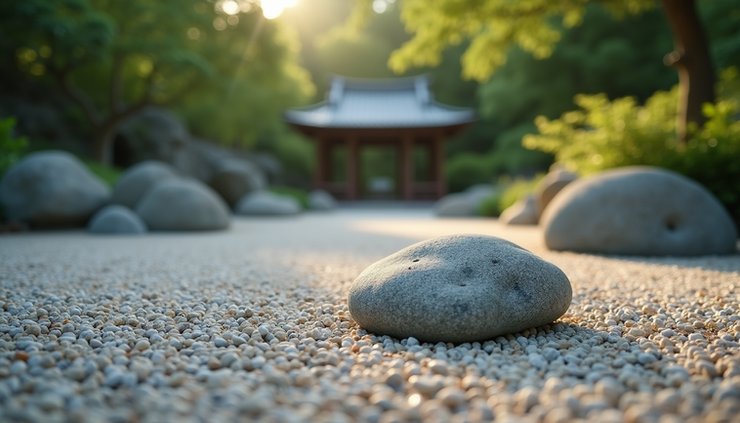
Zen gardens, such as the one at Ryoan-ji temple, use rocks, gravel, and minimal plants to create contemplative spaces. These gardens invite visitors to slow down and reflect, embodying principles of simplicity and mindfulness.
Embracing Japan’s Unique Blend of Tradition and Modernity
Japan balances its deep-rooted traditions with cutting-edge technology and modern culture. Cities like Tokyo and Osaka showcase futuristic architecture, bustling shopping districts, and vibrant pop culture scenes alongside historic temples and traditional markets.
Visitors can experience this blend by exploring neighborhoods like Asakusa in Tokyo, where ancient temples stand near trendy cafes and shops. The contrast between old and new creates a dynamic atmosphere that defines contemporary Japan.


Comments