


Exploring the Enigmatic Spirits of Vietnam Cambodia and Thailand
- May 30
- 3 min read
Spiritual beliefs shape the culture and daily life across Southeast Asia. In Vietnam, Cambodia, and Thailand, the presence of spirits is deeply woven into traditions, rituals, and folklore. These spirits influence how people understand the world around them, from nature to ancestors, and even the unseen forces that guide their lives. Exploring these spirits offers a window into the rich cultural heritage and unique worldview of these three countries.
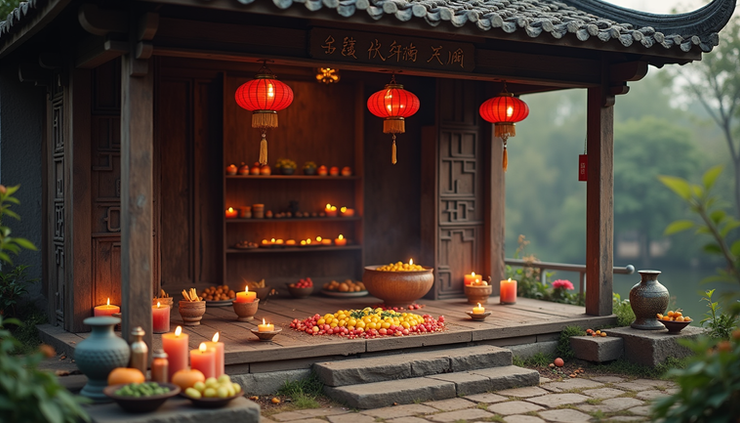
Spirits in Vietnamese Culture
Vietnamese spirituality blends animism, ancestor worship, and elements of Buddhism and Taoism. Spirits are everywhere: in trees, rivers, mountains, and homes. The land spirits (thần đất) protect the land and crops, while household spirits guard the family and home.
Ancestor worship remains central. Families maintain altars with photos, incense, and food offerings to honor deceased relatives. It is believed that ancestors continue to influence the living, offering protection and guidance.
One unique spirit is the Ông Táo, or Kitchen God, who reports the family’s behavior to the Jade Emperor annually. Before the Lunar New Year, families send him off with offerings to ensure a favorable report.
Vietnamese festivals often include spirit-related rituals. For example, the Mid-Autumn Festival celebrates the moon spirit and involves offerings and lanterns to invite blessings.
Cambodian Spirit Beliefs
Cambodia’s spiritual landscape is shaped by Theravada Buddhism mixed with ancient animist beliefs. Spirits, or neak ta, are guardians of specific places like forests, rivers, and villages. These spirits are respected and appeased through offerings to maintain harmony and protection.
Cambodians also believe in preta, restless spirits of the dead who suffer from hunger and thirst. Rituals aim to ease their suffering and prevent misfortune.
Spirit houses, called srah, are common outside homes and businesses. These small shrines hold offerings such as flowers, food, and incense to honor local spirits and invite good fortune.
The Bonn Phum festival is a key event where communities gather to honor village spirits with music, dance, and offerings. This festival strengthens community bonds and respects the unseen protectors.

Thai Spirits and Their Role in Daily Life
Thailand’s spiritual world is a blend of Buddhism, animism, and Brahmanism. Spirits, or phi, are everywhere and influence health, luck, and success. Thai people often consult spirit mediums or monks to communicate with these entities.
The phi ban are village spirits protecting the community, while phi pra are household spirits guarding the home. Many homes have spirit houses called san phra phum, where daily offerings of food, flowers, and incense are made.
One famous spirit is Mae Nak, a ghost from Thai folklore known for her tragic love story. Her tale is retold in movies and festivals, reflecting how spirits influence popular culture.
Thai festivals like Loi Krathong involve floating small decorated baskets on water to honor water spirits and ask for forgiveness for past misdeeds. This event highlights the respect for nature spirits in Thai culture.

Common Themes and Differences
Across Vietnam, Cambodia, and Thailand, spirits serve as protectors, guides, and sometimes tricksters. They connect people to nature, ancestors, and the spiritual world. Respect and offerings are common ways to maintain good relations with these spirits.
Differences arise from each country’s history and dominant religions. Vietnam’s spirits often blend Taoist and Buddhist elements, Cambodia’s spirits reflect animist and Buddhist fusion, while Thailand’s spirits show a strong Brahmanic influence alongside Buddhism.
Understanding these spirits helps explain local customs, festivals, and daily practices. It also reveals how people find meaning and comfort in the unseen forces around them.
How to Experience These Spirits Respectfully
Travelers interested in the spirits of Vietnam, Cambodia, and Thailand should approach with respect and curiosity. Visiting spirit houses, attending local festivals, and learning from community elders can provide insight.
Always ask permission before photographing spirit houses or rituals.
Observe local customs around offerings and dress modestly.
Support local artisans who create spirit-related crafts and offerings.
Engaging with these traditions enriches travel experiences and fosters cultural appreciation.


Comments